




Our Legal Blog
Your Resource For Legal Information

Can a will expire in Florida? Learn how older wills remain valid, when estate plans should be updated, and how Nater Law Firm, PLLC assists Orlando residents.

Can you sell your house before filing for bankruptcy in Florida? Learn how home equity, sale proceeds, and bankruptcy rules may affect Orlando homeowners.
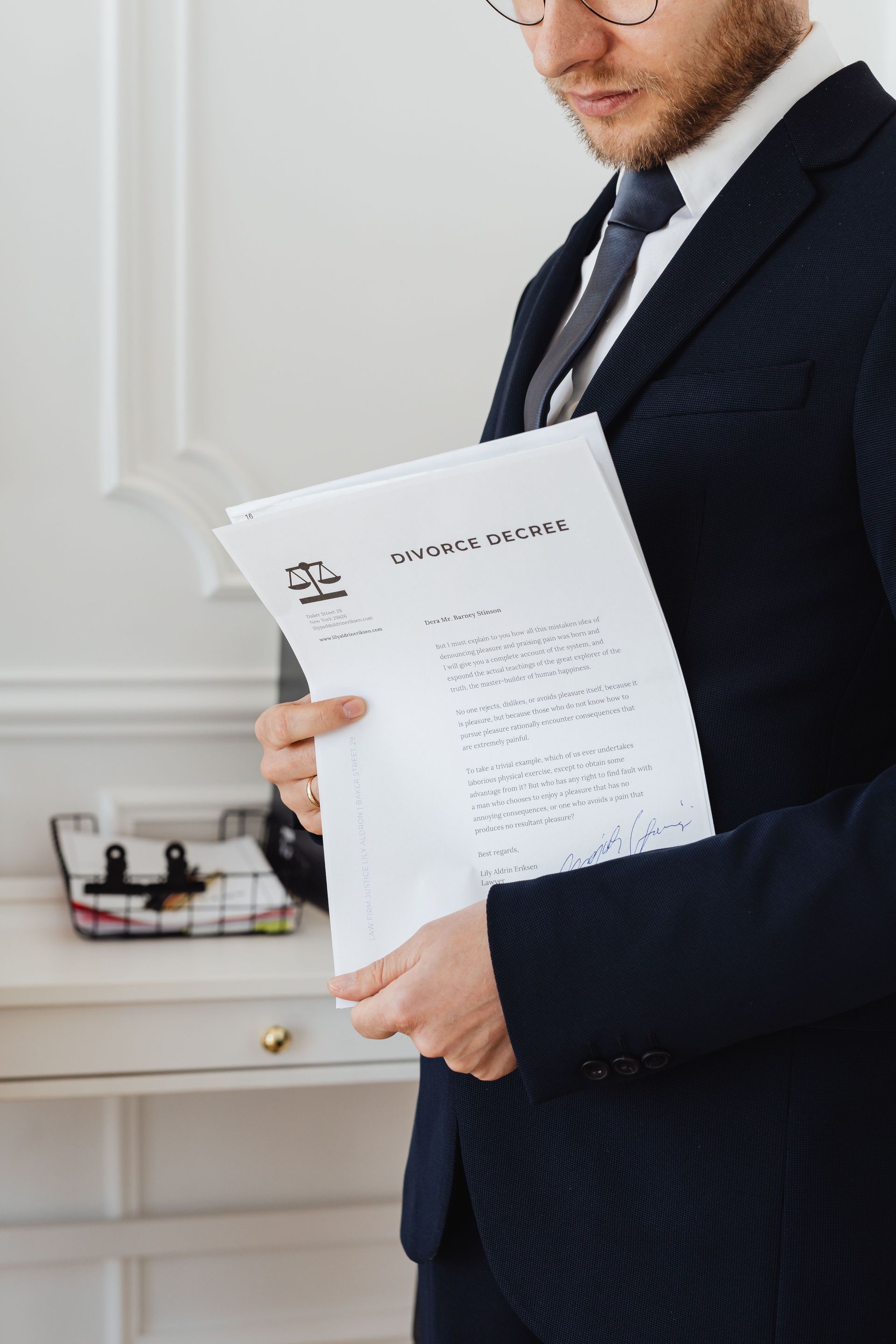
Can bankruptcy help if you have multiple creditors? Learn how bankruptcy may stop collections, eliminate qualifying debts, and provide financial relief. Nater Law Firm, PLLC assists clients throughout Orlando.

Can bankruptcy eliminate personal loan debt in Florida? Learn how Chapter 7 and Chapter 13 bankruptcy may help discharge personal loans and provide debt relief. Nater Law Firm, PLLC assists Orlando residents with bankruptcy matters.

Learn how comparative negligence works in Florida car accident cases and how fault can affect compensation. Nater Law Firm, PLLC provides legal assistance in Orlando.

What Documents Do You Need to File for Bankruptcy?
Determine your state’s minimum insurance requirements. Consider your own financial situation in relation to the required insurance and whether you need to increase your limits to protect your assets. Check the status of your driving record: Do you have outstanding fines or points on your driver’s license? Review your current coverage to know how much you are paying. Get competitive quotes from insurance websites and individual companies you are interested in. Make follow-up phone calls to insurance companies for additional coverage information. Inquire about discounts. Evaluate the reliability of the insurance companies you are considering by visiting your state’s insurance department website, reviewing consumer surveys, and talking to family and friends. Review the policy before finalizing it. Remember to cancel your previous policy.

The increased use of social media has led to a rapid decline in user anonymity and privacy. Social media makes it easy to share intimate details of all aspects of life, so using social media without considering how big companies might use it can be potentially harmful. This is particularly true for people with an open personal injury claim. Increasingly, we see insurance companies using and exploiting social media data against people recovering from traumatic injuries. As a result, social media is playing an increasingly influential role in litigation related to personal injury cases. Note that when you post online, you do not retain ownership or control of the information once published. According to the terms and conditions of use of most social media sites, any information posted online becomes the property of the website or app. Once posted, a site may share or disclose the information to a third party, including an insurance company. Information posted online is not protected by the privacy guarantees of the social media website or attorney-client privilege. Insurance adjusters and defense lawyers will use anything they can find to attack the credibility of an injured person and undermine their claim. Even before a lawsuit is filed, insurance adjusters routinely track the internet for photos and status updates showing that the injured party is engaging in demanding physical activities (think: dancing, walking, rock climbing, and even playing with grandchildren). This can become fodder for the insurance company to attempt to discredit the claimed injuries. Comments and posts from friends or family can also be used to shame the injured person or degrade their character (think: references to parties, silly photos, or emotional or angry status updates). Websites and apps like Foursquare and Facebook that track a person’s movement or allow them to “check in” at locations can also provide information about a person’s activities that can be used to question the validity of their injuries.

Avoid aggressive driving and weaving from one lane to another. Maintain a safe distance of at least three seconds between you and the vehicle in front of you. This will help you avoid frequent braking and rear-end collisions. Keep a close eye on traffic ahead.

Confusion during the first few minutes after a traffic accident can lead to serious consequences. Review these tips to know how to act in the event of a collision and what NOT to do: Leave the car on the road Flee the scene Clean up the damages Don’t call 911 Don’t consider possible injuries Ignore other involved vehicles Don’t notify the insurance company for a week Be aggressive Don’t accept responsibility Provide too much information NATER LAW is a law firm specializing in accidents and serious injuries. If you have been in a serious car accident, contact lawyer Fanny Nater at 555-555-5556 . Offices in Orlando, and a free consultation.