

Can You Sell Your House Before Filing for Bankruptcy in Florida?

August 13, 2026

Can You Sell Your House Before Filing for Bankruptcy in Florida?

If you are struggling with debt in Florida and considering bankruptcy, you may wonder whether you can sell your home before filing. In many situations, you can sell your house before filing for bankruptcy in Florida, but the timing, sale price, use of the proceeds, and amount of equity

in the property can have significant consequences.


Selling a home shortly before bankruptcy is not automatically prohibited. However, bankruptcy requires extensive financial disclosure, and transactions made before filing may be reviewed by the bankruptcy trustee. Orlando homeowners considering a sale should understand how

Florida's homestead protections, bankruptcy exemptions, and federal bankruptcy rules may affect their situation.


Is It Legal to Sell Your House Before Filing Bankruptcy in Florida?


Generally, Florida homeowners are permitted to sell their property before filing for bankruptcy. The important issue is whether the transaction is legitimate and conducted for fair market value.


Problems can arise when someone sells or transfers property for significantly less than it is worth, gives property to a friend or relative, conceals proceeds, or otherwise attempts to place assets beyond the reach of creditors. A bankruptcy trustee can review transactions that occurred before the bankruptcy filing and, in some circumstances, challenge or reverse certain transfers.


For this reason, homeowners should avoid making major financial moves solely to shield assets without first understanding the legal consequences.


Florida Homestead Protection and Bankruptcy


Florida is known for providing significant homestead protections. Depending on the circumstances, a qualifying Florida homestead may receive substantial protection from creditors.


Bankruptcy adds another layer of rules. Eligibility for Florida exemptions can depend on residency and other requirements, while the treatment of a home can vary depending on its value, equity, mortgages, and the type of bankruptcy filed.


A particularly important issue is that selling a protected homestead can change the nature of the asset. Once a house is sold, the homeowner has cash proceeds rather than real property. Florida law may protect certain proceeds from the voluntary sale of a homestead when specific requirements are satisfied, including a genuine intent to reinvest the proceeds in another Florida homestead within a reasonable period.

However, the interaction between state homestead law and bankruptcy can be complicated.


What Happens to the Money From the Sale?


How you handle the proceeds of a home sale before bankruptcy can be just as important as the sale itself.


Bankruptcy filers must disclose their assets and financial transactions accurately. If money from a home sale remains in a bank account when the bankruptcy case is filed, its exempt status can become an important issue. Spending or transferring the proceeds before filing does not necessarily prevent scrutiny either.


Using funds for ordinary and legitimate expenses may be treated differently from transferring substantial amounts to family members, repaying selected creditors, hiding money, or purchasing assets with the intent to hinder creditors.


Maintaining clear records of the sale and how the proceeds were used can be important if bankruptcy follows.


Can a Home Sale Affect Chapter 7 Bankruptcy?


In a Chapter 7 bankruptcy in Florida, a trustee reviews the debtor's property, exemptions, debts, and recent financial transactions. Nonexempt property may potentially be used to pay creditors.


If a homeowner sells a house before filing Chapter 7, the trustee may examine the sale price, the identity of the buyer, the equity involved, and what happened to the proceeds. A legitimate arm's-length sale for fair market value is very different from transferring a valuable home to a relative for a nominal amount.


The amount of home equity and the availability of applicable exemptions can therefore play a major role in deciding whether selling before filing makes financial sense.


What About Chapter 13 Bankruptcy?


Chapter 13 bankruptcy generally allows eligible debtors to keep their property while making payments under a court-approved repayment plan.

Home equity and other assets can still affect how much must be paid to unsecured creditors through the plan.


For homeowners who are behind on mortgage payments, Chapter 13 may also provide an opportunity to address mortgage arrears over time while retaining the property, provided applicable requirements are met. As a result, selling the home before bankruptcy may not always be the most beneficial option.


Comparing the consequences of selling, keeping the property, filing Chapter 7, or pursuing Chapter 13 can help homeowners make a more informed decision.


Transactions That May Create Bankruptcy Problems


Certain actions before bankruptcy can receive additional scrutiny. These may include selling a house for substantially less than fair market value, transferring ownership to relatives, concealing sale proceeds, paying certain creditors shortly before filing, or providing incomplete information on bankruptcy documents.


Bankruptcy law includes rules addressing fraudulent transfers and preferential payments. Depending on the circumstances and timing, a trustee may attempt to recover property or money transferred before the case was filed.


Complete disclosure is therefore critical. Trying to hide a transaction can create much more serious problems than properly reporting it.


Should You Sell Your Orlando Home Before Filing Bankruptcy?


There is no single answer that applies to every Florida homeowner. Selling may make sense for someone who can protect the proceeds, needs to reduce housing expenses, or no longer wants to keep the property. For another homeowner, retaining the house and using available bankruptcy protections may provide a better path.


Before deciding, consider factors such as:


  • The current fair market value of the property
  • Your mortgage balance and other liens
  • The amount of equity in the home
  • Whether the property qualifies for Florida homestead protection
  • How you intend to use the sale proceeds
  • Whether Chapter 7 or Chapter 13 is being considered
  • The timing of the sale in relation to the bankruptcy filing


Because these factors can significantly affect a bankruptcy case, getting legal guidance before listing or transferring the property can help avoid unintended consequences.


Bankruptcy Guidance for Orlando, Florida Homeowners


Selling your house before filing for bankruptcy in Florida is possible, but doing so without understanding the bankruptcy implications can put valuable assets at risk. The safest strategy depends on your equity, debts, exemptions, financial goals, and plans for the proceeds.


At Nater Law Firm, PLLC, we provide legal assistance to individuals and families in Orlando who are considering bankruptcy. If you are thinking about selling your home before filing for bankruptcy, legal guidance can help you evaluate your options and understand how Florida and federal bankruptcy laws may apply to your circumstances.

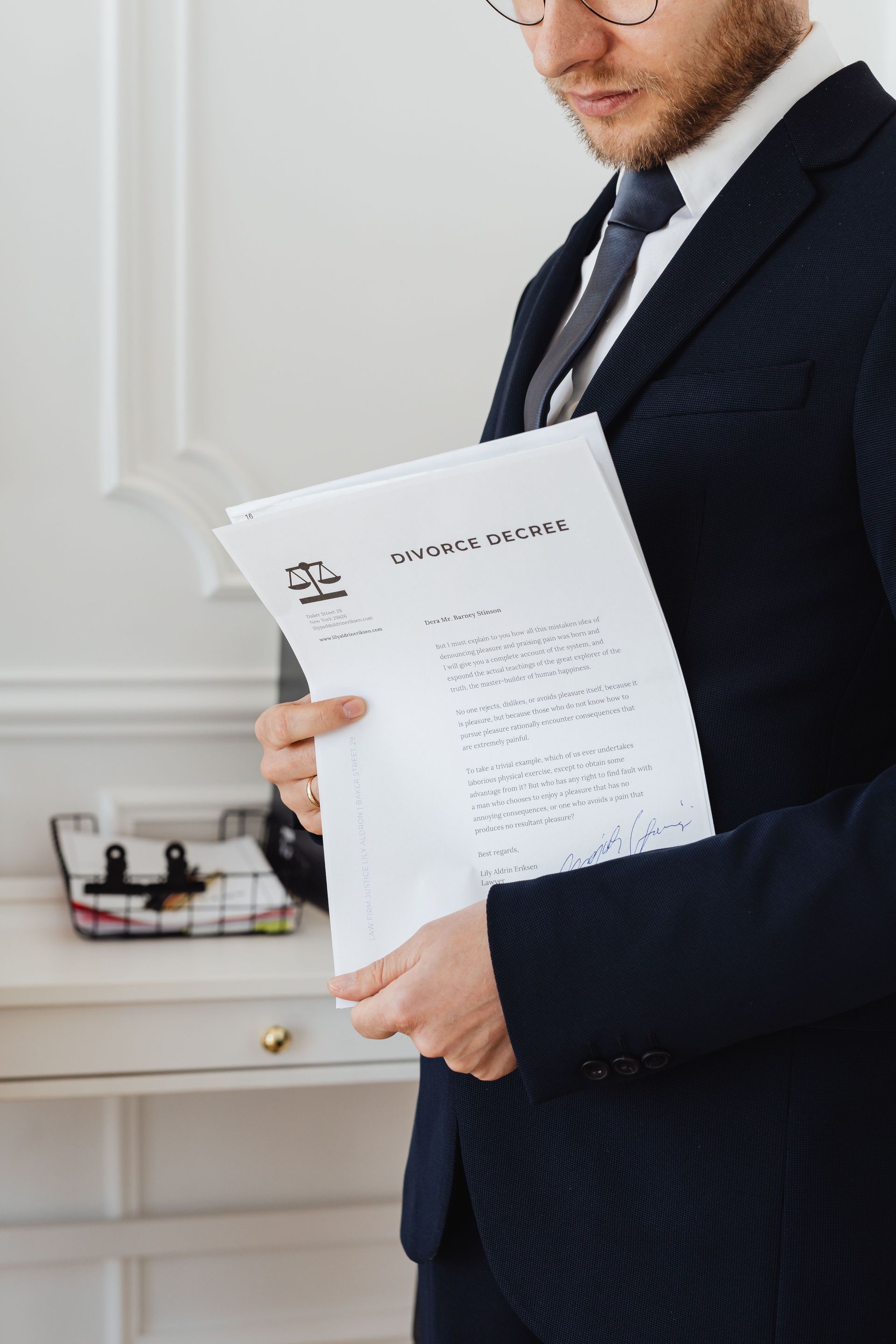
Man in a dark suit holding a document in a bright office setting
July 21, 2026
Can bankruptcy help if you have multiple creditors? Learn how bankruptcy may stop collections, eliminate qualifying debts, and provide financial relief. Nater Law Firm, PLLC assists clients throughout Orlando.
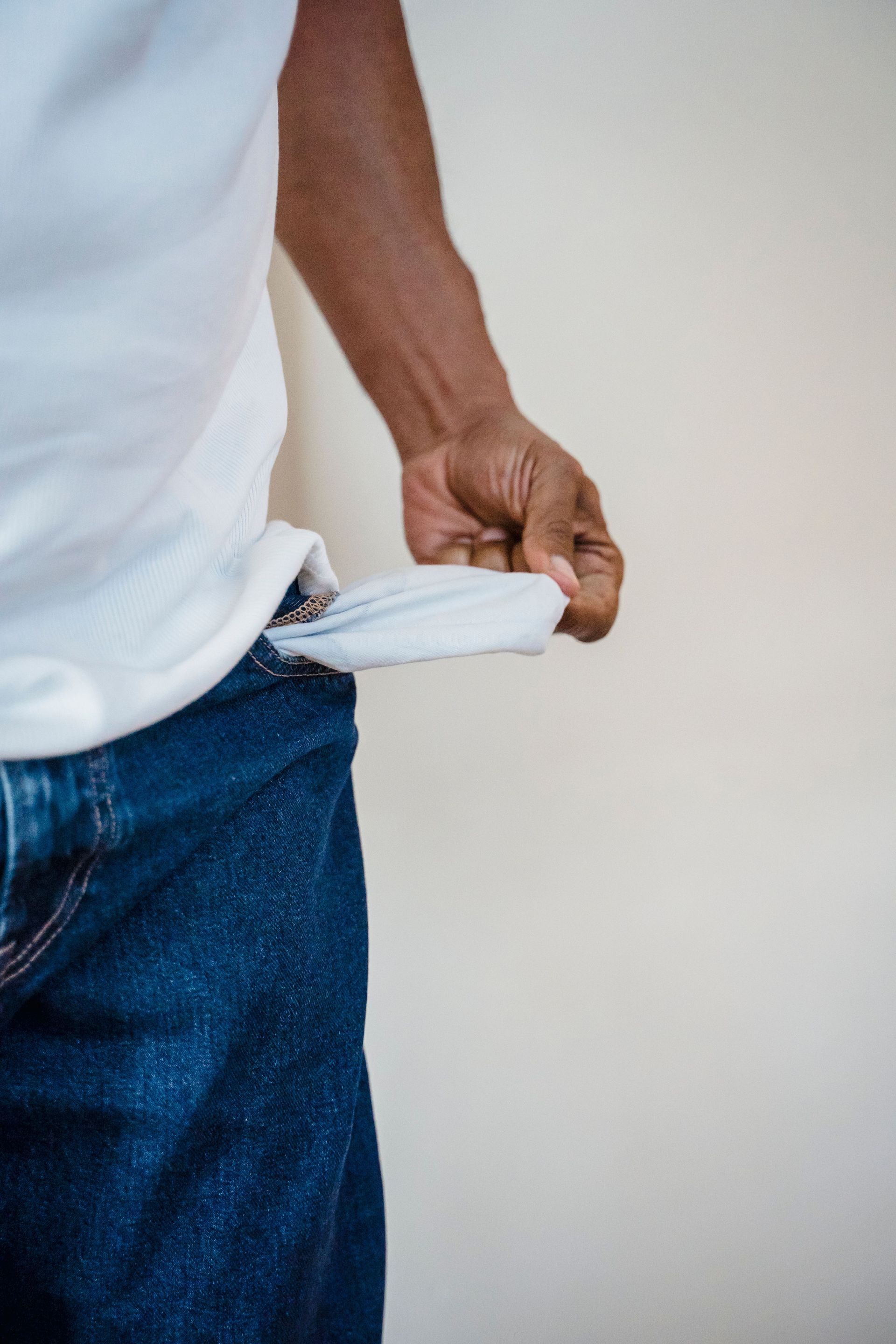
Person holding an empty pants pocket turned inside out, showing it is empty.
June 18, 2026
Can bankruptcy eliminate personal loan debt in Florida? Learn how Chapter 7 and Chapter 13 bankruptcy may help discharge personal loans and provide debt relief. Nater Law Firm, PLLC assists Orlando residents with bankruptcy matters.
Curving multi-lane highway with light traffic beside trees and tall city buildings
May 26, 2026
Learn how comparative negligence works in Florida car accident cases and how fault can affect compensation. Nater Law Firm, PLLC provides legal assistance in Orlando.
January 7, 2026
What Documents Do You Need to File for Bankruptcy?
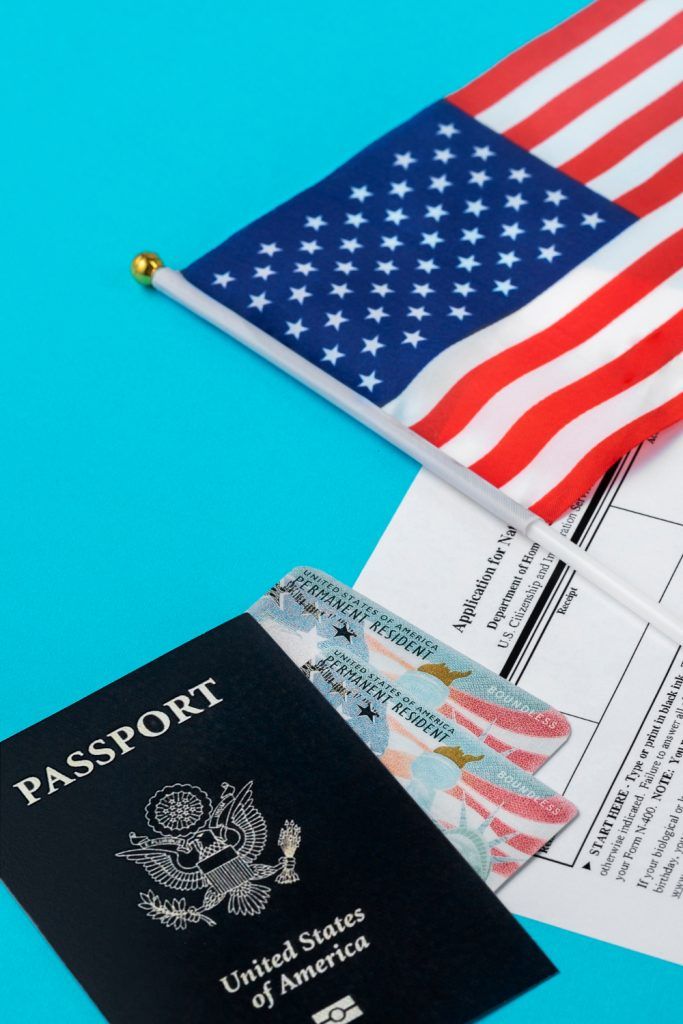
U.S. passport, visa cards, American flag, and application on blue background.
By nater May 12, 2023
Determine los requisitos mínimos de seguro de su estado. Considere su propia situación financiera en relación con el seguro requerido y considere si necesita aumentar sus límites para proteger sus activos. Revise el estado de su registro de manejo: ¿tiene multas pendientes o puntos en su licencia de conducir? Verifique su cobertura actual para saber cuánto está pagando. Obtenga cotizaciones competitivas de sitios web de seguros y compañías individuales que le interesen. Realice llamadas telefónicas de seguimiento a las compañías de seguros para obtener información adicional sobre la cobertura. Consultar sobre descuentos. Evalúe la confiabilidad de las compañías de seguros que está considerando visitando el sitio web del departamento de seguros de su estado, revisando las encuestas de consumidores y hablando con familiares y amigos. Revise la política antes de finalizarla. Recuerda cancelar tu póliza anterior.
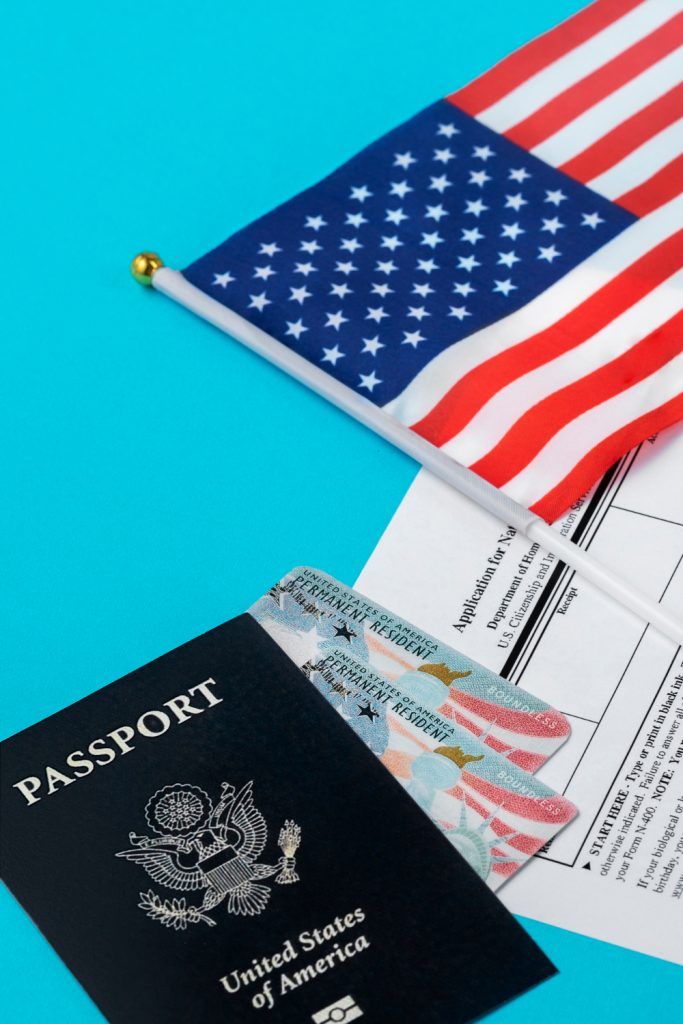
US passport and two ID cards with American flag on blue background.
By nater May 12, 2023
Determine your state’s minimum insurance requirements. Consider your own financial situation in relation to the required insurance and whether you need to increase your limits to protect your assets. Check the status of your driving record: Do you have outstanding fines or points on your driver’s license? Review your current coverage to know how much you are paying. Get competitive quotes from insurance websites and individual companies you are interested in. Make follow-up phone calls to insurance companies for additional coverage information. Inquire about discounts. Evaluate the reliability of the insurance companies you are considering by visiting your state’s insurance department website, reviewing consumer surveys, and talking to family and friends. Review the policy before finalizing it. Remember to cancel your previous policy.
Handcuffs and gavel on a wooden surface, symbolizing law and justice.
By nater May 12, 2023
El aumento del uso de las redes sociales ha llevado a una rápida disminución del anonimato y la privacidad relativos del usuario. Las redes sociales facilitan compartir detalles íntimos de todos los aspectos de la vida, por lo que usar las redes sociales sin considerar cómo las grandes empresas podrían usarlas puede ser potencialmente dañino. Esto es particularmente cierto para las personas que tienen un reclamo abierto por lesiones personales. Cada vez más, vemos que las compañías de seguros utilizan y explotan los datos de las redes sociales contra las personas que se están recuperando de una lesión traumática. Como resultado, las redes sociales están desempeñando un papel cada vez más influyente en los litigios relacionados con casos de lesiones personales. Tenga en cuenta que cuando publica en línea, no conserva la posesión ni el control de la información una vez publicada. De acuerdo con los términos y condiciones de uso de la mayoría de los sitios de redes sociales, cualquier información publicada en línea pasa a ser propiedad del sitio web o la aplicación. Una vez publicado, un sitio puede compartir o divulgar la información con un tercero, incluida una compañía de seguros. La información publicada en línea no está protegida por las garantías de privacidad del sitio web de las redes sociales o el privilegio abogado-cliente. Los ajustadores de seguros y los abogados defensores utilizarán todo lo que puedan encontrar para atacar la credibilidad de una persona lesionada y socavar su reclamo. Incluso antes de que se presente una demanda, los ajustadores de seguros rastrean rutinariamente Internet en busca de fotos y actualizaciones de estado que muestren que la parte lesionada realiza actividades físicas exigentes (piense: bailar, caminar, escalar rocas e incluso jugar con sus nietos). Esto puede convertirse en forraje para que la aseguradora intente desacreditar las lesiones reclamadas. Los comentarios y publicaciones de amigos o familiares también se pueden usar para avergonzar a la persona lesionada o degradar su carácter (piense: referencias a fiestas, fotos tontas o actualizaciones de estado emocional o enojado). Los sitios web y aplicaciones como Foursquare y Facebook que rastrean el movimiento de una persona o le permiten «registrarse» en ubicaciones también pueden proporcionar información sobre las actividades de una persona que se puede usar para cuestionar la validez de sus lesiones.
Handcuffs and gavel on a wooden surface, symbolizing law and justice.
By nater May 12, 2023
The increased use of social media has led to a rapid decline in user anonymity and privacy. Social media makes it easy to share intimate details of all aspects of life, so using social media without considering how big companies might use it can be potentially harmful. This is particularly true for people with an open personal injury claim. Increasingly, we see insurance companies using and exploiting social media data against people recovering from traumatic injuries. As a result, social media is playing an increasingly influential role in litigation related to personal injury cases. Note that when you post online, you do not retain ownership or control of the information once published. According to the terms and conditions of use of most social media sites, any information posted online becomes the property of the website or app. Once posted, a site may share or disclose the information to a third party, including an insurance company. Information posted online is not protected by the privacy guarantees of the social media website or attorney-client privilege. Insurance adjusters and defense lawyers will use anything they can find to attack the credibility of an injured person and undermine their claim. Even before a lawsuit is filed, insurance adjusters routinely track the internet for photos and status updates showing that the injured party is engaging in demanding physical activities (think: dancing, walking, rock climbing, and even playing with grandchildren). This can become fodder for the insurance company to attempt to discredit the claimed injuries. Comments and posts from friends or family can also be used to shame the injured person or degrade their character (think: references to parties, silly photos, or emotional or angry status updates). Websites and apps like Foursquare and Facebook that track a person’s movement or allow them to “check in” at locations can also provide information about a person’s activities that can be used to question the validity of their injuries.
Group of people with hands together in a huddle, symbolizing teamwork. Abstract digital overlay.
By nater May 12, 2023
Evite la conducción agresiva y el zigzag de un carril a otro. Mantenga una distancia segura de al menos tres segundos entre usted y el vehículo que le precede. Esto le ayudará a evitar frenados frecuentes y colisiones traseras. Vigile el tráfico adelante de cerca.
Hands joined in a huddle, symbolizing teamwork. Blue and white tech overlay.
By nater May 12, 2023
Avoid aggressive driving and weaving from one lane to another. Maintain a safe distance of at least three seconds between you and the vehicle in front of you. This will help you avoid frequent braking and rear-end collisions. Keep a close eye on traffic ahead.